Editorial · Process
Coffee processing methods,
explained.
How a coffee is processed at origin is the single biggest factor in how it tastes. Bigger than country, bigger than altitude, often bigger than varietal. This is a field guide to the four families — washed, natural, honey, and the experimental edge — written so you can read a roaster's menu and predict the cup before you order.
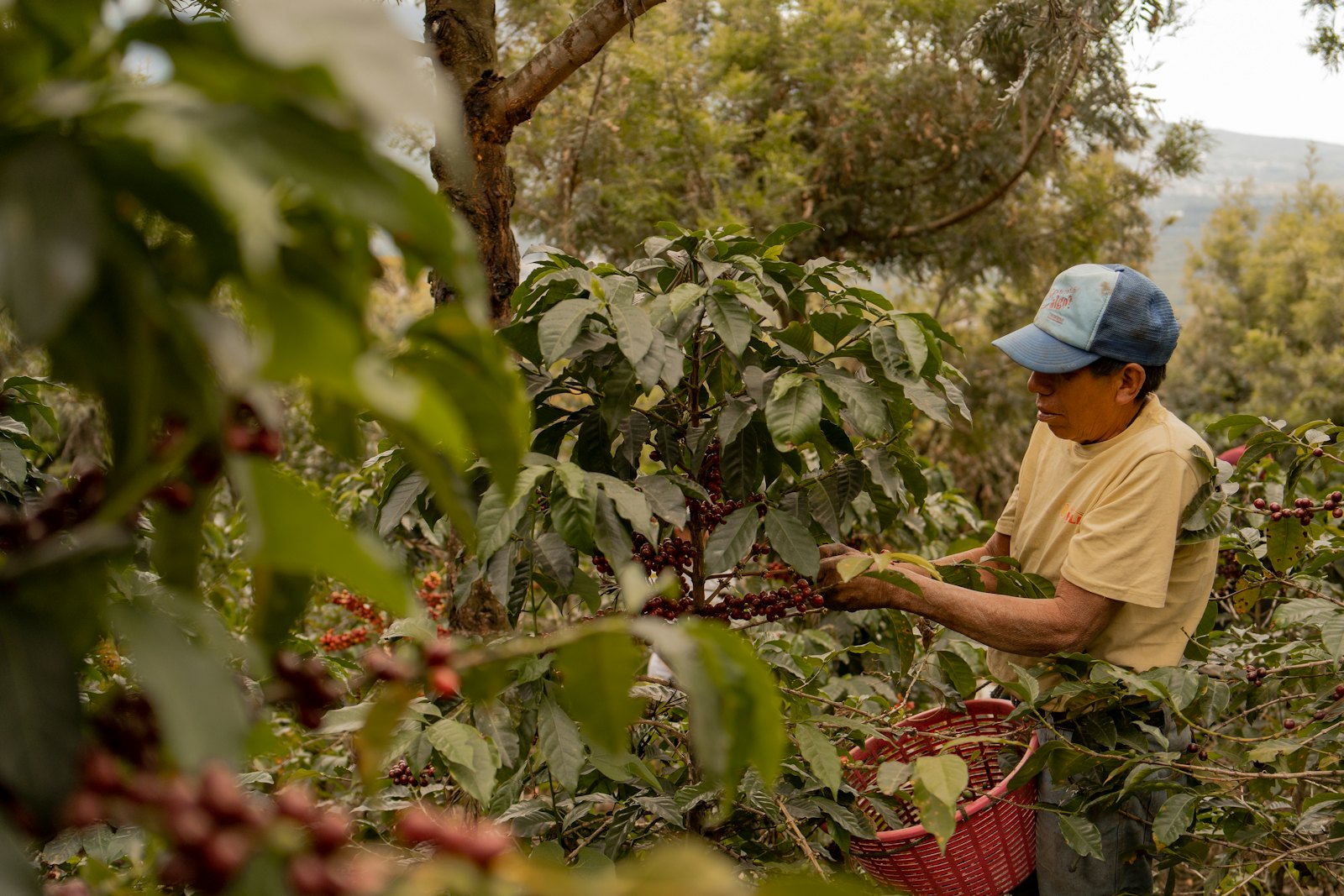 Processing begins within hours of the harvest
Why processing matters more than country.
Two coffees from the same farm in Yirgacheffe, picked the same week, can taste so different you wouldn't guess they shared an origin. One is bright tea-like, citrus, jasmine. The other is heavy blueberry jam with strawberry on the finish. The variable isn't the bean. It's what happened to the cherry in the 48 hours after picking.
When you scan a coffee bag, the process line is doing most of the work.
Get comfortable reading process, and you'll predict cups correctly more often than someone who's memorized origin regions but ignores how each lot was prepared.
How Cascara organizes processing
The Process Spectrum.
Cascara maps every bean against four corners that correspond to how each processing family typically tastes. Most washed coffees sit in Clean. Most naturals sit between Classic and Fluid. Honey coffees cluster in Fluid. Anaerobics live in Experimental. It's not a strict mapping — a fermented washed Kenya can be louder than some naturals — but it's the right starting point.
Washed (fully washed)
Skin and pulp removed before fermentation. Mucilage washed off in water. The cleanest, brightest expression of the bean.
Washing emerged in Central America in the 19th century as the dominant method for high-grade Arabica and is still the standard for most premium coffees today. The cherry is depulped within hours of harvest, then fermented in tanks for 12–48 hours to break down the remaining mucilage. The beans are then washed in long channels of clean water, sorted, and dried.
The result: a cup that tastes more like the bean itself than the fruit around it. Acidity is typically high and clean — citrus, tea, white-flower notes. Body is often lighter. Origin character — the geology, altitude, and varietal — comes through more clearly than with any other process.
Washed coffees are the safest first cup at any specialty roaster you don't know, because there are fewer process variables masking the underlying lot quality.
Example in the cellar
Peru Cusco Qillu Rumi SL09 Washed
Washed· Peru· Urban Coffee Roaster
Natural (dry process)
Whole cherries dried in the sun. The bean ferments inside the fruit. Sweet, heavy-bodied, fruit-forward.
Natural is the oldest processing method — it's how coffee was processed in Ethiopia for centuries before any other technique existed. The cherries are spread on raised beds or patios and dried whole, often for two to four weeks, with the bean fermenting inside the surrounding fruit the whole time.
The flavor consequence is unmistakable. Natural coffees are heavier and sweeter than washed, with strong fruit notes — blueberry, strawberry, stone fruit — that come from sugars and aromatic compounds migrating into the bean as the cherry breaks down.
Modern natural processing is more controlled than its reputation suggests. Carefully managed naturals from Ethiopia, Brazil, and Yemen are some of the most distinctive coffees in the specialty world — provided they're processed cleanly. Poorly managed naturals taste fermented or vinegary.
Example in the cellar
Lizeth Samboni; La Esmeralda - Colombia
Washed· Colombia· Sey
Honey (pulped natural)
Skin removed but sticky mucilage left on the bean during drying. A halfway house — washed clarity meets natural sweetness.
Honey processing developed in Costa Rica in the 2000s as a way to get natural-style sweetness on coffees grown in climates where full natural drying was risky. The cherry's skin is removed, but the mucilage — the sweet, sticky layer between the skin and the bean — is left on for the drying phase.
Honey processors classify lots by how much mucilage they leave on. White honey leaves the least and tastes closest to washed. Yellow and red honey leave progressively more, getting closer to natural-style body. Black honey leaves nearly all of it, with extended drying — the rarest and most labor-intensive subtype.
Honey coffees are often the best entry point for someone curious about naturals but unsure they'll like the intensity. The sweetness is there, but balanced — syrupy and clean rather than wild.
Example in the cellar
Panama Lost Origin La Berlina 127_199
Natural· Panama· Hazel & Hershey Coffee Roasters
Anaerobic, co-fermented, and experimental
Oxygen-free fermentation, controlled yeasts, added inputs. Funky, winey, polarizing — the experimental edge of specialty.
Anaerobic processing took off in the 2010s, pioneered by Colombian and Costa Rican producers experimenting with sealed fermentation tanks. Without oxygen, the bacterial cultures that grow are completely different — producing flavor compounds that don't show up in any traditional process.
Anaerobic naturals can taste like raspberry-jam, strawberry candy, or whiskey. Co-fermented lots — where the producer adds another fruit, yeast strain, or even spice during fermentation — push further still. Some coffees in this category are unmistakably the most distinctive cups in specialty; others taste cloying or chemical.
Experimental processing is where the coffee world is currently most divided. The price premium is real (often 2–3× a comparable washed lot), and the cup quality is more variable. The right rule is to taste before you buy a 250g bag — ask for a sample shot at a cafe, or order a small bag first.
Example in the cellar
Brazil Daterra Masterpieces BV148
Anaerobic· Brazil· Leaves Coffee Roasters
How to use this when you're buying.
First scan the process line on the bag — before origin, before tasting notes. It tells you more about the cup you're about to brew than anything else on the label.
If a roaster's lineup is all-washed, you're looking at a roaster optimizing for clean, classical specialty cups. If everything is natural or experimental, you're at a roaster optimizing for fruit and surprise.
Match process to your palate, not your reputation. Plenty of serious coffee drinkers don't love anaerobics; plenty of newer drinkers find washed coffees boring. Both positions are fine. The palate quiz points you at the corner that fits.
Find the process that fits your palate.
Less than a minute, eleven questions. Free. Your palate tells you which corner of the spectrum to start in.
Start calibrating →Common questions.
What is washed coffee processing?
Washed (or 'fully washed') means the coffee cherry's skin and pulp are stripped off before fermentation, and the remaining mucilage is removed in water tanks. The result is a cup that tastes more like the bean itself — clean, often bright and floral, with origin character pushed forward and process character pushed back.
What is natural coffee processing?
Natural (or 'dry') process means the cherry is dried whole, with the bean still inside, before the fruit is removed. The bean ferments inside the cherry as it dries, picking up sweetness, body, and fruit-forward notes from the surrounding pulp. Natural coffees taste more like the cherry itself — heavier, juicier, often with strong berry or stone-fruit notes.
Where does honey processing sit between washed and natural?
Honey processing sits between washed and natural. The skin is removed but some of the sticky mucilage (the 'honey') is left on the bean during drying. The amount left on — white honey, yellow, red, black — controls how much of the natural-style sweetness and body shows up. Honey coffees are often described as juicy, syrupy, and balanced.
What is anaerobic or co-fermented coffee?
Anaerobic processing ferments coffee in oxygen-free tanks, which produces dramatically different flavor compounds — funky, winey, sometimes whiskey-like. Co-fermentation adds another input (other fruit, yeast, etc.) during fermentation. These are the 'experimental' end of the spectrum: divisive, often expensive, and either extraordinary or unpleasant depending on the lot and your palate.
Which processing method is best?
There isn't one. Processing is a flavor lever, not a quality lever — a clean washed Kenya and a juicy natural Yirgacheffe are both extraordinary in completely different ways. The right question is which process suits your palate today, which is what the Cascara palate quiz answers in less than a minute.
More on process.
What natural-process coffee tastes like
If washed coffee tastes like the bean, natural tastes like the fruit. How the dry process makes coffee taste of blueberry, and natural vs washed.
Honey-process coffee, explained
No honey involved — the sticky fruit layer dries on the bean. Yellow vs red vs black honey, and the deliberate halfway point between washed and natural.
Anaerobic coffee, explained
Fermentation in sealed, oxygen-free tanks — why it tastes of cinnamon, tropical fruit, and wine, and how to tell a great lot from a gimmick.
Co-fermented coffee, explained
Fruit, spice, or cultured yeast added to the fermentation tank. What co-fermentation does to the cup, why a lot tastes like strawberry candy or whiskey, and how to buy one without getting burned.
Author · Gil Erez, Founder of Cascara · Published 3 May 2026