
Guides · Journal
Coffee, with context.
Practical reading on brewing, processing and your palate.
Start here
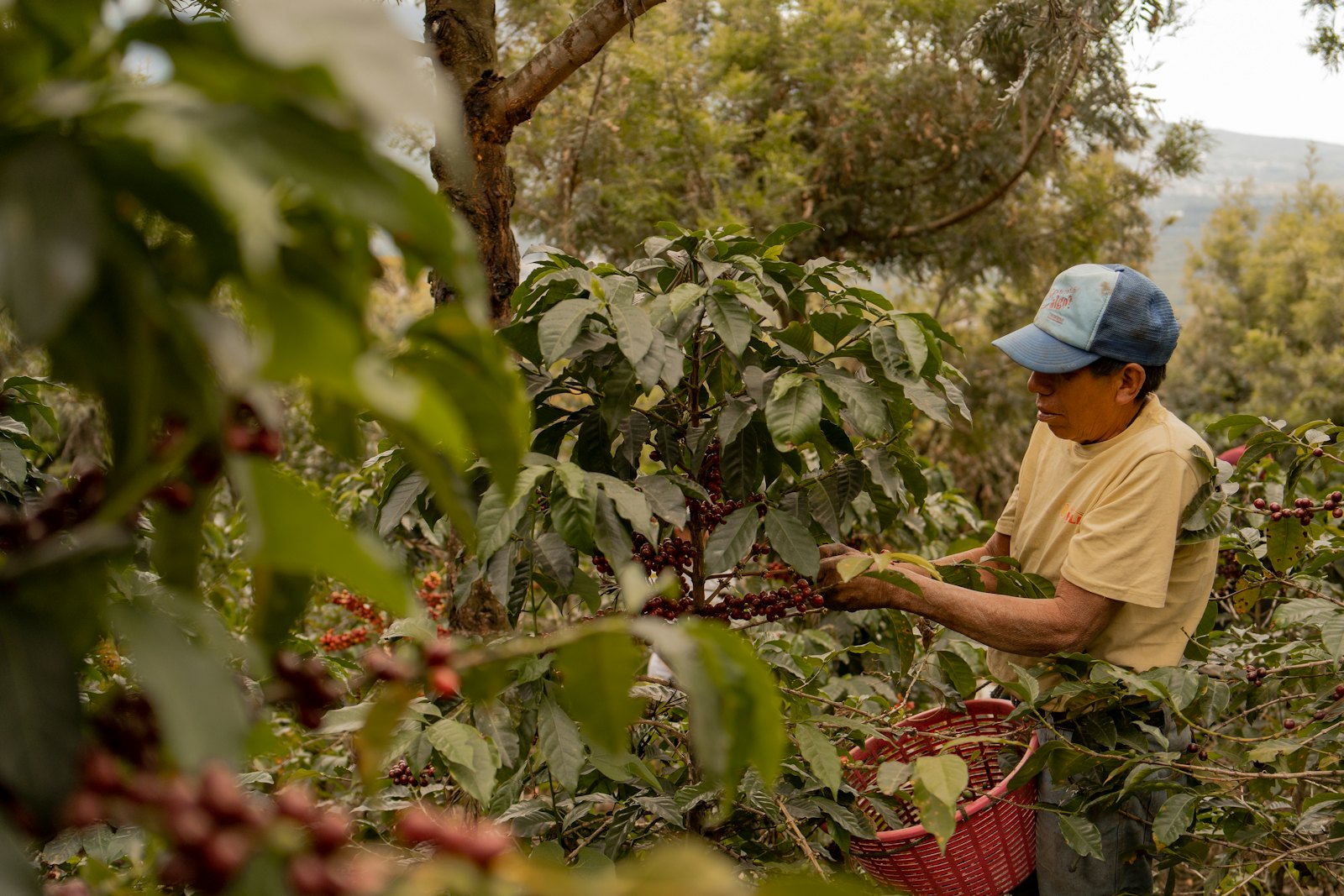
Coffee processing methods, explained
Washed, natural, honey, anaerobic — what each one does to the cup, and why processing matters more than origin.
Read guideStart here
May 2026
The coffee palate quiz
A free coffee palate quiz. Eleven questions, one Cellar Identity, and a shortcut to coffee that fits your taste.Read guide
August 2026
How to choose coffee beans
Palate first, process second, country last. A practical order for choosing coffee beans you will actually like — and the step most guides skip.Read guide
July 2026
Specialty vs commercial coffee
The line between them isn't marketing — it's the 80-point score. How specialty and commercial coffee differ from farm to cup, and how to tell which one you're buying.Read guide
July 2026
Is specialty coffee worth it?
An honest, how-you-drink answer — what you're actually paying for, when it's worth it and when it isn't, and the per-cup math that reframes the price.Read guideJuly 2026
What specialty coffee costs in the Philippines
How much a bag of specialty coffee really costs in the Philippines and why — import costs, small-batch roasting, local vs imported, and the per-cup math.Read guide
July 2026
How to read a coffee bag label
Roast date, origin, variety, process, altitude, tasting notes — what each line on a specialty bag means, and the order to read them in.Read guideShow 4 more in Start here
May 2026
How to read coffee tasting notes
Tasting notes on a coffee bag aren't marketing fluff — they're a structured language. A field guide to reading them.Read guideMay 2026
Specialty coffee subscription in the Philippines
How the Cascara Subscription works — one matched bag, every month, delivered. Calibrate first so your first bag lands matched.Read guideJuly 2026
Specialty coffee gifts in Manila
A bag of specialty coffee is a good gift and a risky one. How to give coffee that fits someone's palate instead of guessing at it — what to check, and the gift that adapts.Read guideSeptember 2026
Where to buy specialty coffee beans
Roaster-direct, cafe retail, Shopee and Lazada, or a subscription. What each channel costs you in freshness and information, and what to check before you buy on any of them.Read guideBy city
May 2026
Specialty coffee in the Philippines
A curator's starting point into Philippine specialty coffee. 140+ roasters across Metro Manila, Baguio, Cebu, Davao and beyond — organized by palate, not hype.Read guideMay 2026
Specialty coffee in Manila
A curator's starting point into Metro Manila specialty coffee — Makati, BGC, Quezon City, Mandaluyong, San Juan. Organized by palate, not hype.Read guideJuly 2026
Specialty coffee in Makati
Where Philippine third-wave started — Legazpi and Salcedo Villages, Poblacion, and the country's longest-running roasters. The Makati scene, organized by palate.Read guideMay 2026
Specialty coffee in BGC
A curator's starting point into the Bonifacio Global City specialty corridor — High Street, Uptown, McKinley, Burgos. The roasters and cafes Cascara is drinking.Read guideJuly 2026
Specialty coffee in Baguio
The Cordillera coffee city — where you can drink a cup a short drive from where the beans are grown. The Baguio and Benguet roasters, organized by palate.Read guideJuly 2026
Specialty coffee in Cebu
The Visayas' fastest-growing third-wave scene — IT Park, Banilad, Mactan. The Cebu roasters Cascara is drinking, organized by palate, not hype.Read guideShow 3 more in By city
July 2026
Specialty coffee in Davao
A drinking city beside a growing one — Mount Apo Arabica and the Davao roasters. Mindanao's coffee heart, organized by palate.Read guideSeptember 2026
Specialty coffee in Quezon City
Metro Manila's largest city has no single coffee district. Katipunan, Maginhawa, Tomas Morato and Cubao, plus the Quezon City roasters currently in the cellar.Read guideSeptember 2026
Specialty coffee in Mandaluyong
A production city more than a cafe-crawl city. Why the roasteries cluster near Ortigas, what each district supports, and the Mandaluyong roasters in the cellar.Read guideThe Philippine scene
August 2026
Philippine coffee roasters — a field guide to the local scene
160+ specialty roasters from Metro Manila to Benguet, Cebu, and Davao. Who roasts where, and how to explore them by palate rather than by hype.Read guideAugust 2026
Sagada coffee, explained
Heirloom typica arabica at 1,500 meters in Mountain Province — old trees, backyard plots, and a composed highland cup most origins can't grow anymore.Read guideAugust 2026
Benguet coffee, explained
The heart of Philippine arabica — smallholder plots from La Trinidad to Atok at up to 2,000 meters, and what that geography puts in the cup.Read guideJuly 2026
What Filipino coffee drinkers are drinking
325 logged brews from 56 members across 75 roasters. The varieties and processes Filipino drinkers actually brew — and how often the tasting notes on the bag hold up in the cup.Read guideJune 2026
The State of Philippine Specialty Coffee 2026
A data report from the Cascara catalog — 200 roasters, 1,598 beans, 36 origins. Natural process has overtaken washed, one bean in five is fermented, and 11% of the market is Philippine-grown.Read guideJuly 2026
The Philippine coffee harvest calendar
When is Philippine coffee harvested? A region-by-region reference — Cordillera Arabica, Batangas Barako, Mindanao — and how altitude and species move the season across the dry months.Read guideShow 12 more in The Philippine scene
July 2026
Barako coffee, explained
The bold, smoky heritage Liberica of Batangas — and the rare third coffee species now prized worldwide for its climate resilience. What it is, how it tastes, and why the coffee world is paying attention again.Read guideSeptember 2026
Arabica, robusta, liberica, barako
The Philippines grows all four commercial coffee species, which almost nowhere else does. What separates them, where each grows here, and why barako is a species and not a roast level.Read guideSeptember 2026
Cordillera coffee, explained
The mountain range that makes Philippine specialty arabica possible. Six provinces, the elevation that puts arabica here and nowhere else at this scale, and what the region puts in the cup.Read guideSeptember 2026
Batangas and Cavite coffee
Lipa, Mataas na Kahoy, Amadeo: the ground behind kapeng barako. A 19th-century export boom, the blight that ended it, and why liberica stayed when the rest of the world moved on.Read guideSeptember 2026
Mindanao coffee, explained
The south carries most of the country's crop. Bukidnon, the Mount Apo slopes and Sultan Kudarat, the robusta-arabica split by elevation, and why more Mindanao lots reach specialty roasters now.Read guideSeptember 2026
KapeCon 2026
October 10-11 on Paseo de Roxas along Ayala Triangle, Makati. The Coffee Home Brewers festival returns for a bigger second edition — what to expect, and the roasters worth seeking out.Read guideJuly 2026
WOFEX 2026 — coffee at the World Food Expo
Coffee was one hall inside the Philippines' biggest food expo, July 29-Aug 1 at WTC and SMX. Which halls held it, what the seminars cost, and the guest question answered with a source.Read guideMay 2026
Philippine Coffee Expo 2026
The top lot took ₱4,900 a kilo at One Ayala, and four of the winning coffees are in the cellar. Who placed, who bought, what they taste like.Read guideJune 2026
Gloria Lagawan tops the PCE 2026 auction
₱4,900 a kilo for a washed Bukidnon lot — the top price at the 2026 Philippine Coffee Expo green-coffee auction, and what the PCQC result means.Read guideMay 2026
Manila Coffee Festival 2026
July 17-19. The other major Manila coffee event of the year — what to expect and the Philippine roasters worth tasting.Read guideAugust 2026
Coffee Plz 2026
59 roasters poured at Ayala Malls Circuit over September 4-6. Nine of them hold a permanent cellar listing because of it, including one with no online catalog at all.Read guideJuly 2026
The World's 100 Best Coffee Shops 2026
Yardstick at No. 34 is the Philippines' only entry this year — down from four in 2025. What the list measures, and what a global ranking can't tell you about the cup that fits you.Read guideOrigins
June 2026
Philippine coffee, explained
The only origin that grows all four commercial species. A field guide to the Cordillera and Mindanao highlands, Barako, and what Philippine-grown specialty coffee actually tastes like.Read guideMay 2026
Ethiopian coffee, explained
Yirgacheffe, Sidamo, Guji, Limu, Harrar — what each region tastes like, what 'heirloom variety' means, and why Ethiopia anchors specialty coffee.Read guideJuly 2026
Kenyan coffee, explained
The loudest cup in coffee. What SL28 and SL34 are, what 'AA' really means, the double-washed process, and why Kenya tastes of blackcurrant and wine.Read guideJuly 2026
Colombian coffee, explained
The balanced benchmark. The regions, Castillo and Caturra, the FNC, and why two harvests keep Colombian coffee fresh almost all year round.Read guideJuly 2026
Yemeni coffee, explained
Where coffee began. The port of Mokha, heirloom landraces, the highest farms in coffee, and a wild dried-fruit cup found nowhere else.Read guideJuly 2026
Panama Geisha, explained
The Ethiopian variety that made Panama famous and broke every green-coffee price record. What Geisha tastes like, washed vs natural, why Boquete, and why it costs what it does.Read guideProcess & taste
August 2026
What is cascara? Coffee cherry tea, explained
Cascara is the dried skin of the coffee cherry, brewed as a tea. What it tastes like, its caffeine next to coffee, how to brew it hot and cold, and the origins that grow it.Read guideMay 2026
Coffee processing methods, explained
Washed, natural, honey, anaerobic — what each one does to the cup, and why processing matters more than origin.Read guideJuly 2026
What natural-process coffee tastes like
If washed coffee tastes like the bean, natural tastes like the fruit. How the dry process makes coffee taste of blueberry, and natural vs washed.Read guideAugust 2026
Honey-process coffee, explained
No honey involved — the sticky fruit layer dries on the bean. Yellow vs red vs black honey, and the deliberate halfway point between washed and natural.Read guideAugust 2026
Anaerobic coffee, explained
Fermentation in sealed, oxygen-free tanks — why it tastes of cinnamon, tropical fruit, and wine, and how to tell a great lot from a gimmick.Read guideJuly 2026
Co-fermented coffee, explained
Fruit, spice, or cultured yeast added to the fermentation tank. What co-fermentation does to the cup, why a lot tastes like strawberry candy or whiskey, and how to buy one without getting burned.Read guideShow 10 more in Process & taste
September 2026
Carbonic maceration, explained
Whole cherries sealed under CO2, so fermentation happens inside the fruit. Where the technique came from, how it differs from plain anaerobic, and what it does to the cup.Read guideMay 2026
Coffee roasting, explained
Light, medium, dark, development time, and why roast date is the single most important number on a specialty bag.Read guideJuly 2026
Light roast vs dark roast
What roast level actually changes in the cup, how light and dark really taste, the caffeine myth, and how to pick the roast that fits the way you drink your coffee.Read guideJuly 2026
Coffee acidity, explained
The most misunderstood word in specialty coffee. Why bright isn't sour, where acidity comes from, and how to brew for more of it — or less.Read guideJuly 2026
The coffee flavor wheel, explained
The map behind every tasting note. What the SCA wheel is, the nine flavor families at its center, and the inside-out method most people get wrong.Read guideJuly 2026
Yuzu, bergamot and citrus in coffee
Yuzu is turning up on coffee bags everywhere. What citrus tasting notes mean, whether there's really yuzu in the cup, and how to taste the bright end of specialty coffee on purpose.Read guideJuly 2026
Espresso vs filter
Same beans, two drinks. Concentration vs clarity, the 'stronger' caffeine myth, and which brew actually shows a coffee's character.Read guideJuly 2026
How to store coffee beans
The four enemies of coffee, where to keep beans (and why not the fridge), the truth about freezing, and how long coffee actually keeps after roasting.Read guideSeptember 2026
Specialty decaf, explained
Swiss Water, sugarcane EA, CO2 and the older solvents. What each does to the cup, why a good decaf costs more than the caffeinated lot, and what to expect honestly.Read guideSeptember 2026
Drip bag coffee, done properly
The single-serve sachet Philippine roasters actually sell in volume. What it is good at, where its ceiling sits against a pour-over, and how to brew one properly.Read guideRoaster profiles
July 2026
Big Sur Coffee — Shanghai's Geisha specialist
A Shanghai roaster that buys like a competition team: ultralight single-estate filter — Panama Geisha from Elida and Esmeralda, Testi Ethiopia, full-traceability Kenya.Read guideJuly 2026