
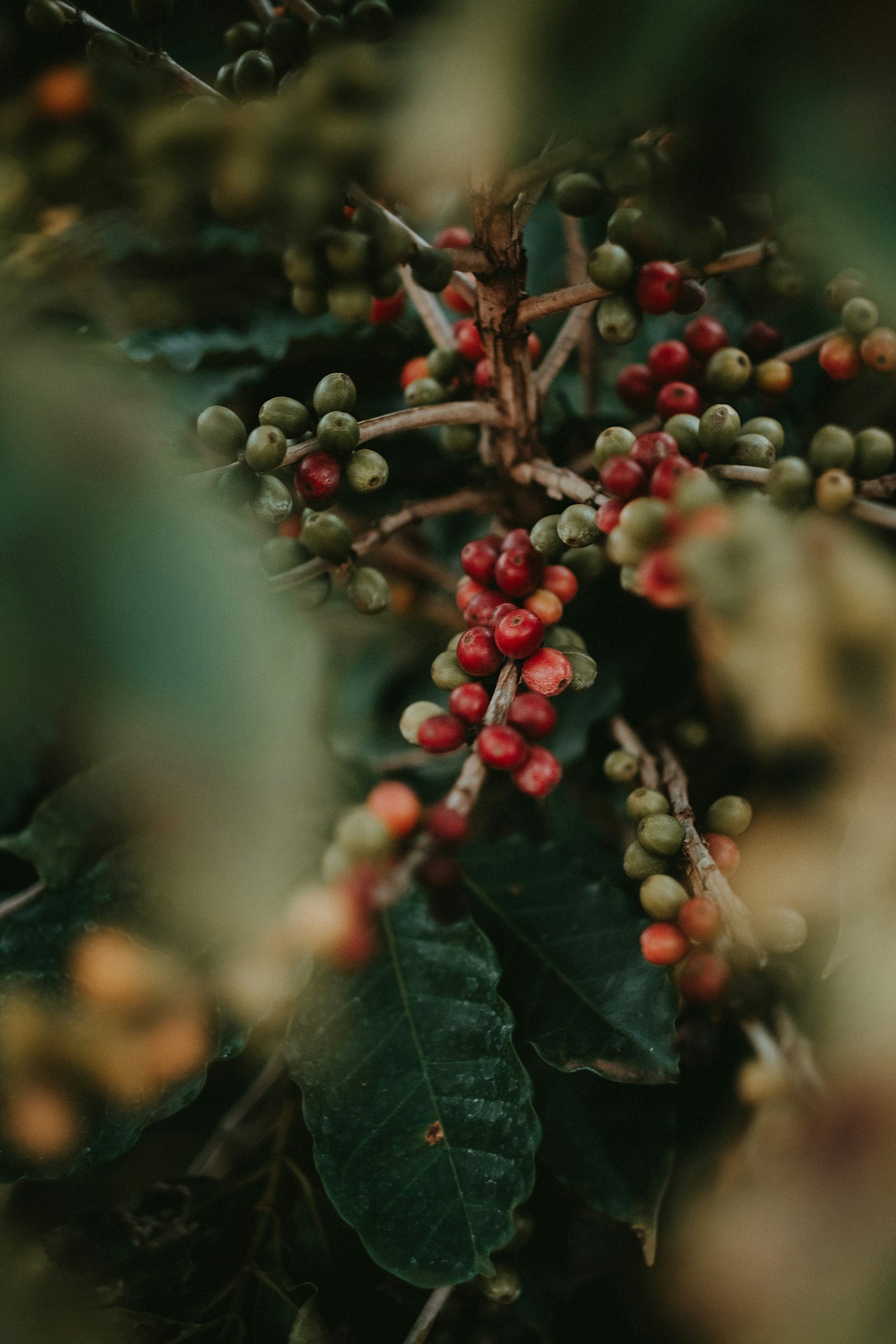
The Philippines is one of a handful of countries that grows all four commercial coffee species, across highlands a thousand kilometres apart. Sagada arabica and Kapeng Barako come from the same country and taste nothing alike. This is a field guide to what Philippine-grown coffee actually is — the regions, the species, and why the quality is arriving faster than the reputation.
Why Philippine coffee is its own thing.
Start with the history, because it explains the present. In the 1800s the Philippines was one of the largest coffee exporters in the world. Then coffee leaf rust arrived in the 1880s and flattened the industry almost overnight. It never fully recovered — most of what was replanted was hardy robusta for the domestic market, and specialty-grade production is a recent, still-small revival.
That history left an unusual inheritance: a country comfortable growing all four commercial species. Arabica in the cool highlands, robusta across the lowlands, and Liberica and Excelsa where almost no other origin bothers. You can taste a delicate washed Cordillera arabica and a bold, woody Barako from the same national catalog — a range most single origins can't offer.
The Cascara catalog reflects the revival: the Philippines is the fourth-largest origin in the cellar, and roughly one bean in nine on the shelf is Philippine-grown. The 2026 catalog data report has the full picture.
The growing regions
The Cordillera
1,000-1,800m
Northern Luzon's highland spine. Sagada and Benguet arabica — soft, nutty, gently fruited.
The Cordillera mountain range across Benguet, Mountain Province, Kalinga, Ifugao and Nueva Vizcaya is the heart of Philippine arabica. The altitude is high enough for clean specialty separation, the climate is cool, and most farms are smallholdings worked alongside vegetable terraces.
Sagada is the most recognised name — a Mountain Province town whose washed arabica reads soft and rounded: almond, milk chocolate, a little citrus, low acidity. Benguet (Atok, Kapangan, Kibungan) sits at similar elevation and tends to be the workhorse of Cordillera specialty, with more body and a quiet stone-fruit sweetness when carefully processed.
Cordillera coffee rarely shouts. At its best it is balanced and easy — closer to the Classic corner than the bright, acidic profiles people expect from East Africa. That is the origin's character, not a fault.
The Mindanao highlands
1,200-1,800m
Mt. Apo, Bukidnon, Sultan Kudarat. The country's competition origin — where the high scores are coming from.
Most Philippine arabica by volume grows in the southern highlands: the slopes of Mt. Apo straddling Davao del Sur and Cotabato, the plateaus of Bukidnon, and Sultan Kudarat. Elevation and volcanic soil here rival the best Cordillera sites, and the farms tend to be larger and more production-focused.
This is where the Philippines is winning competitions. The 2026 Philippine Coffee Quality Competition top lot — a washed coffee that cleared ₱4,900 a kilo at auction — came from Bukidnon. Mt. Apo washed arabicas can carry real clarity: red apple, brown sugar, florals; the better naturals push into ripe tropical fruit.
Mindanao also grows most of the country's robusta, increasingly as graded fine robusta rather than commodity filler — a category worth tasting if you have written robusta off.
Barako & the four species
Lowland to mid-altitude
The Philippines is one of the few origins growing all four commercial species — including Liberica.
Arabica and robusta you know. The Philippines also commercially grows Liberica and Excelsa, which makes it one of a very small group of origins working with all four species at scale.
Liberica — Kapeng Barako — is the famous one. Historically grown in Batangas and Cavite (Lipa, Amadeo), it has an enormous bean and a bold, woody, almost jackfruit-and-anise profile that tastes like nothing else on a specialty bar. Production collapsed over the last century and good Barako is now scarce, which is exactly why a careful lot is worth seeking out.
Excelsa (botanically a Liberica variant) turns up in Philippine blends for its dark-fruit, tart backbone. None of these will taste like a washed Cordillera arabica — that range across one country is the point.
How processing changes Philippine coffee
The same Cordillera arabica processed two ways gives you two cups. Washed, it reads clean and soft — almond, cocoa, a little citrus. Natural, it leans sweeter and fruitier, sometimes into berry and tropical fruit. Mindanao's competition lots are usually washed for clarity; the more adventurous local roasters are now running honey and anaerobic lots that change the cup completely.
As with any origin, read the process line before the region. A natural Benguet and a washed Benguet diverge more than a washed Benguet and a washed Sagada do. The processing-methods guide walks through the four families.
Currently in the cellar.
Philippine-grown beans in the catalog right now. Not ranked, a starting point.


Find the Philippine coffee that fits your palate.
Cascara organizes every bean against the Process Spectrum — Clean, Classic, Fluid, Experimental. Most Cordillera arabicas sit in Classic; the brighter washed Mindanao lots edge toward Clean; a careful Barako lands somewhere of its own. Eleven questions, and your Cellar Identity points you to the corner that suits you.
Start calibrating →Common questions
Is Philippine coffee any good?
The specialty top slice is genuinely good, and getting better fast. Cordillera arabica (Sagada, Benguet) tends to be soft, nutty and balanced; the Mindanao highlands (Mt. Apo, Bukidnon) are producing competition-grade washed lots that score well internationally. The catch is volume — most Philippine coffee is still commodity-grade robusta, and only a thin top layer is processed to specialty standard. When you find that layer, it stands up to any origin in its style.
What is Kapeng Barako?
Barako is Liberica — one of the four commercial coffee species, grown in the Philippines mainly in Batangas and Cavite. The bean is unusually large and the cup is bold, woody and aromatic, often with jackfruit, anise and dark-fruit notes. It tastes nothing like arabica. Production has declined sharply over the last century, so well-prepared Barako is rare and worth trying when a roaster has one.
Where is the best Philippine coffee grown?
There are two arabica heartlands. The Cordillera in northern Luzon — Benguet and Sagada especially — produces soft, balanced, low-acid arabica. The Mindanao highlands in the south — Mt. Apo, Bukidnon, Sultan Kudarat — produce more of the country's competition-grade lots. Neither is 'best' outright; Cordillera leans gentle and nutty, Mindanao leans clean and fruit-forward. The Cascara catalog carries Philippine-grown beans from both.
What is the difference between Sagada and Benguet coffee?
Both are Cordillera arabica at similar altitude, and both lean soft and balanced rather than bright. Sagada (Mountain Province) is the more recognised name and is often a touch more delicate — almond, milk chocolate, light citrus. Benguet tends to carry a little more body and stone-fruit sweetness. The processing and the individual farm matter more than the province line between them.
Why isn't Philippine coffee more famous?
History, mostly. The Philippines was one of the world's largest coffee exporters in the 1800s until coffee leaf rust wiped out the industry in the 1880s; it never fully recovered, and domestic demand absorbed most of what was replanted. Specialty-grade production is small and recent. The quality is arriving faster than the reputation — which is part of why local roasters and a catalog like Cascara's matter for surfacing it.