Event record · curated by Cascara
Manila Coffee Festival 2026.
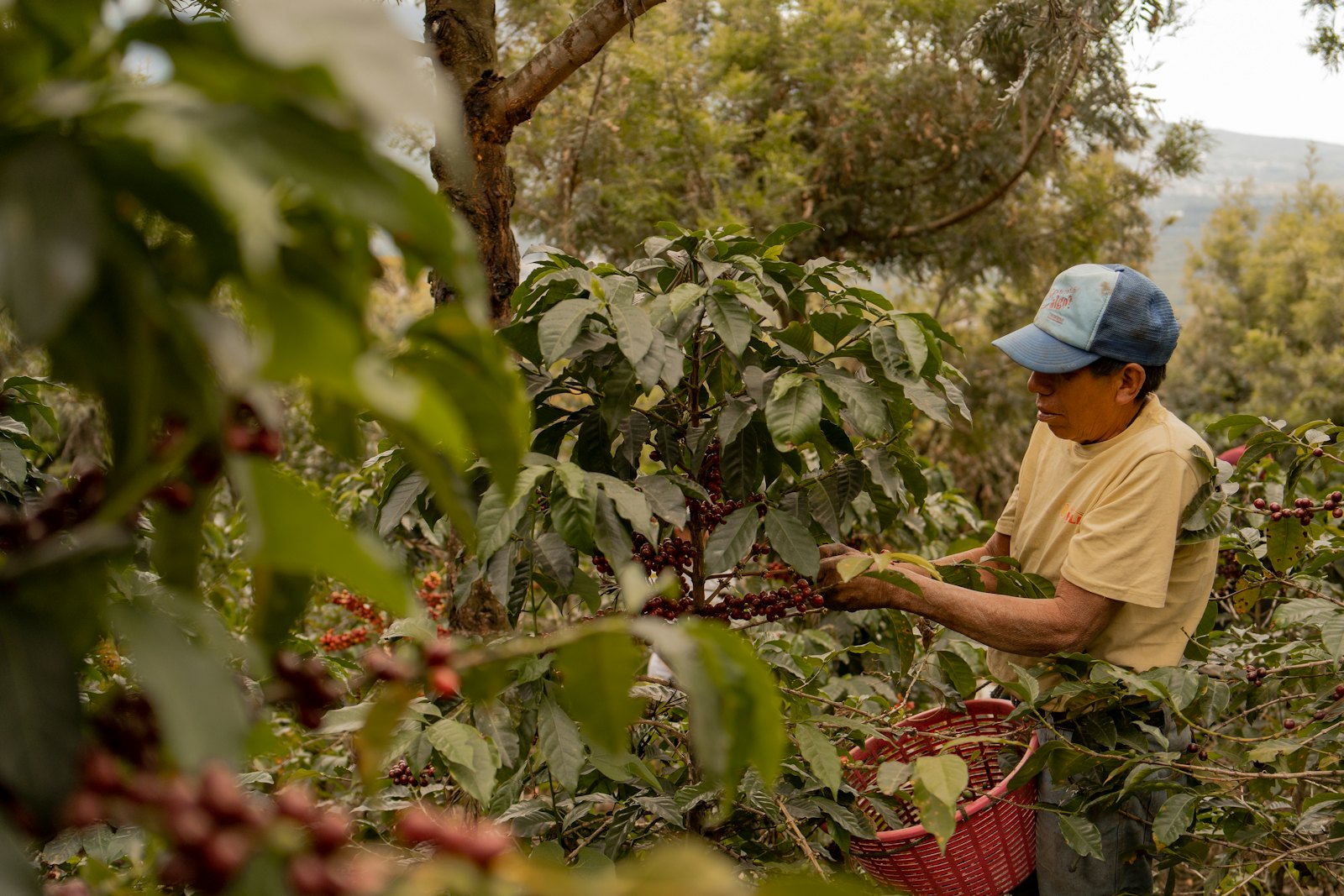 Hand-picked at origin
The festival ran 17-19 July 2026 — three days, a public floor, the consumer-facing one of the three Philippine coffee shows. Its differentiator is Philippine-grown coffee, and that part outlives the weekend: the cellar indexes 253 Philippine-origin coffees from 54 roasters, deepest in Benguet, Bukidnon and Davao del Sur. This is the record of the show, and the list of what to drink from it now.
When
17-19 July 2026
Three days, public floor
What it was for.
Manila Coffee Festival is the consumer-facing member of the Philippine event calendar. Where the Philippine Coffee Expo in June runs competition judging and a green-coffee auction for the trade, the festival points at drinkers: roasters behind the bar, cultural programming, and a floor weighted toward Philippine-grown coffee rather than imported green. A lot of the roasters pouring have no other retail presence than one cafe or an Instagram account, which is the whole reason to walk it.
Dates for the next edition have not been announced. The organizers post them on the festival's own channel, @manilacoffeefestival, and we hold no venue for the 2026 edition beyond Metro Manila, so we are not going to guess at one for the next.
Philippine coffee, after the floor closed.
If the festival was where you first tasted a well-roasted Philippine coffee, this is where to keep going. The growing regions the cellar runs deepest in, with a few of the coffees indexed under each and the roaster that has them. This reads live off the catalog — a lot that sells out drops off on the next pass.
For the next one
Pick your corner before you go.
Tasting twenty cups blind, in the order they happen to be in front of you, is the fastest way to remember nothing. Walk in knowing which corner of the Process Spectrum you're hunting in. This holds for any of the three Philippine shows, not just this one:
Bright, floral, tea-like.
Balanced, chocolatey, familiar.
Juicy, fruit-forward, sweet.
Funky, fermented, unconventional.
Don't know your corner yet? The palate quiz takes less than a minute, and it is the same map whichever show you go to next.
Roasters to seek out.
Philippine roasters in the Cascara cellar with active, well-developed lineups, ranked by how many coffees we track from each. Never an exhibitor list — that is the organizers' to publish — but it is the part of a festival that outlives the weekend: these roasters ship year-round, and most of what gets poured on that floor is still buyable from one of them.
Makati
Third-wave specialty roastery sourcing from Brazil, Colombia, Ethiopia and the Philippines, with cafes in Makati, Ortigas,…
Paranaque
Cebu City
Cebu City roaster offering traceable Philippine coffee with farm-to-cup transparency, shipping single origins and rare lots…
Quezon City
Muntinlupa
Curve Coffee Collaborators is a Philippine specialty roaster focused on award-winning, traceable single-origin and microlot…
Makati
Makati cafe and roastery serving specialty single-origin coffee roasted in-house, with branches on Jimenez and San Isidro.
San Juan
San Juan-based specialty roaster focused on light-roast beans for retail and wholesale to quality-driven cafes.
Makati
Makati specialty coffee roaster and equipment distributor (La Marzocco, Rocket), with branches across Metro Manila.
Mandaluyong
Mandaluyong specialty coffee roaster supplying roasted beans, barista training and equipment, with a flagship inside Shangri-La…
Cagayan De Oro
Davao City
Davao specialty roaster founded by Beauford Ma, sourcing from independent farms worldwide and award-winning Philippine…
Las Piñas City
Las Piñas roastery sourcing Philippine coffee through Fair Trade and sustainable practices, supplying beans nationwide via the…
Quezon City
Quezon City specialty roaster passionately roasting local and imported single-origin and blended beans since 2016, with fresh…
Batac
Bacolod
Antipolo
How to find the roasters that don't have a booth.
Written for this floor, true of every one since. The most interesting roasters at a Philippine coffee festival are often the ones not on the exhibitor list — a booth costs real money, and a lot of the country's sharpest small operators run on Instagram, sell out by Friday, and skip booth fees entirely.
Hit the green-bean supplier booths. Do this first if you do nothing else. An importer's booth pours lots from a dozen of their roaster customers at once — including the IG-only and pop-up roasters with no booth of their own. One stop, many roasters, and the staff can tell you who is doing interesting work with their greens right now.
Check who's guesting in someone else's booth. A lot of small roasters don't take a booth but show up as “guest pour” slots in a friendly cafe's booth — sometimes for an hour, sometimes for a day. Those slots get announced in IG stories in the week before a show; check the night before and route accordingly.
Ask baristas the right question. Don't ask “who's the best here?” — you'll get a polite shrug. Ask: “If you weren't pouring this weekend, whose booth would you line up for?” The honest answer is usually a small IG roaster you've never heard of.
Watch for unannounced cuppings. Side rooms and back-of-booth cuppings happen on no schedule, fill on word of mouth, and are where the real comparisons happen. If you see baristas drifting one direction in a coordinated way, follow them.
Eat first, spit by hour two, take notes on your phone. The basics still apply. Empty stomach distorts; four cups in, your palate is gone; tomorrow you will not remember which booth had the standout Sagada natural unless you photographed the bag.
Find your corner.
Eleven questions, less than a minute. The cellar then routes you to the Philippine lots closest to your palate — the same ones listed above, while they last.
Start calibrating →For roasters
Poured at the festival? Get listed in the cellar.
Someone who walked out of the festival with a bag they loved goes home and searches for it. If your roastery isn't in the Cascara directory, that search ends nowhere — two months after the floor closed, that is still happening every week. Listing is free: a permanent profile with your full bean lineup and member ratings, indexed and discoverable year-round.
gil@cascara.cafe →Common questions.
When was the Manila Coffee Festival 2026?
July 17, 18 and 19, 2026 — three days. Dates for the next edition have not been announced. The organizers post them on the festival's own Instagram, @manilacoffeefestival, and that is the only source worth trusting for dates, hours and ticketing.
What is the Manila Coffee Festival like?
A public floor rather than a trade floor. Roasters pour to drinkers instead of pitching to buyers, the programming leans cultural rather than technical, and Philippine-grown coffee is heavily represented — including small roasters whose only other retail presence is one cafe or an Instagram account. If you want to taste twenty interpretations of Philippine origin in a weekend, that is the draw.
Which roasters were at the 2026 festival?
The exhibitor list is the organizers' to publish, not ours — Cascara is a directory, not an organizer. What we can tell you is which Philippine roasters are active and worth knowing: the list on this page is every curator-verified Philippine roaster in the cellar with a developed lineup, ranked by how many coffees we track from them. Most of what gets poured at a festival is still buyable from one of them.
Was there much Philippine-origin coffee?
That is the festival's whole differentiator against a generic specialty event, and the catalog backs it up. The Philippine-origin coffees the cellar indexes are deepest in Atok and Caliking in Benguet, across Bukidnon including Pangantucan, around Mt. Apo and Bansalan in Davao del Sur, in Sagada in Mountain Province, and in Nueva Vizcaya. The live list on this page is grouped by exactly those regions.
What's the difference between Manila Coffee Festival, Philippine Coffee Expo and WOFEX?
Three separate events, three different organizers. Philippine Coffee Expo (June, Makati) is the trade one — the PCQC judging and the green-coffee auction run inside it. Manila Coffee Festival (July) is the consumer one, weighted toward local beans and cultural programming. WOFEX (late July, Pasay) is a food expo with a large coffee wing attached, so the coffee is good but it is a fraction of the building. We have a guide for each.
How should I plan a day at the next one?
Eat a real breakfast first — specialty coffee on an empty stomach reads sharper and more acidic than it is. Decide which corner of the Process Spectrum you are hunting in before you walk in, so you are routing rather than wandering. Spit after the first hour; by the fourth cup your judgement is gone whatever you think. And photograph every bag you taste with one sentence of notes, because you will not remember which booth had the standout Sagada natural.
Read next.
Coffee Plz 2026
59 roasters poured at Ayala Malls Circuit over September 4-6. Nine of them hold a permanent cellar listing because of it, including one with no online catalog at all.
The World's 100 Best Coffee Shops 2026
Yardstick at No. 34 is the Philippines' only entry this year — down from four in 2025. What the list measures, and what a global ranking can't tell you about the cup that fits you.
KapeCon 2026
October 10-11 on Paseo de Roxas along Ayala Triangle, Makati. The Coffee Home Brewers festival returns for a bigger second edition — what to expect, and the roasters worth seeking out.
WOFEX 2026 — coffee at the World Food Expo
Coffee was one hall inside the Philippines' biggest food expo, July 29-Aug 1 at WTC and SMX. Which halls held it, what the seminars cost, and the guest question answered with a source.
Author · Gil Erez, Founder of Cascara · Updated 17 September 2026