A 2026 guide · curated by Cascara
Specialty coffee in Manila.
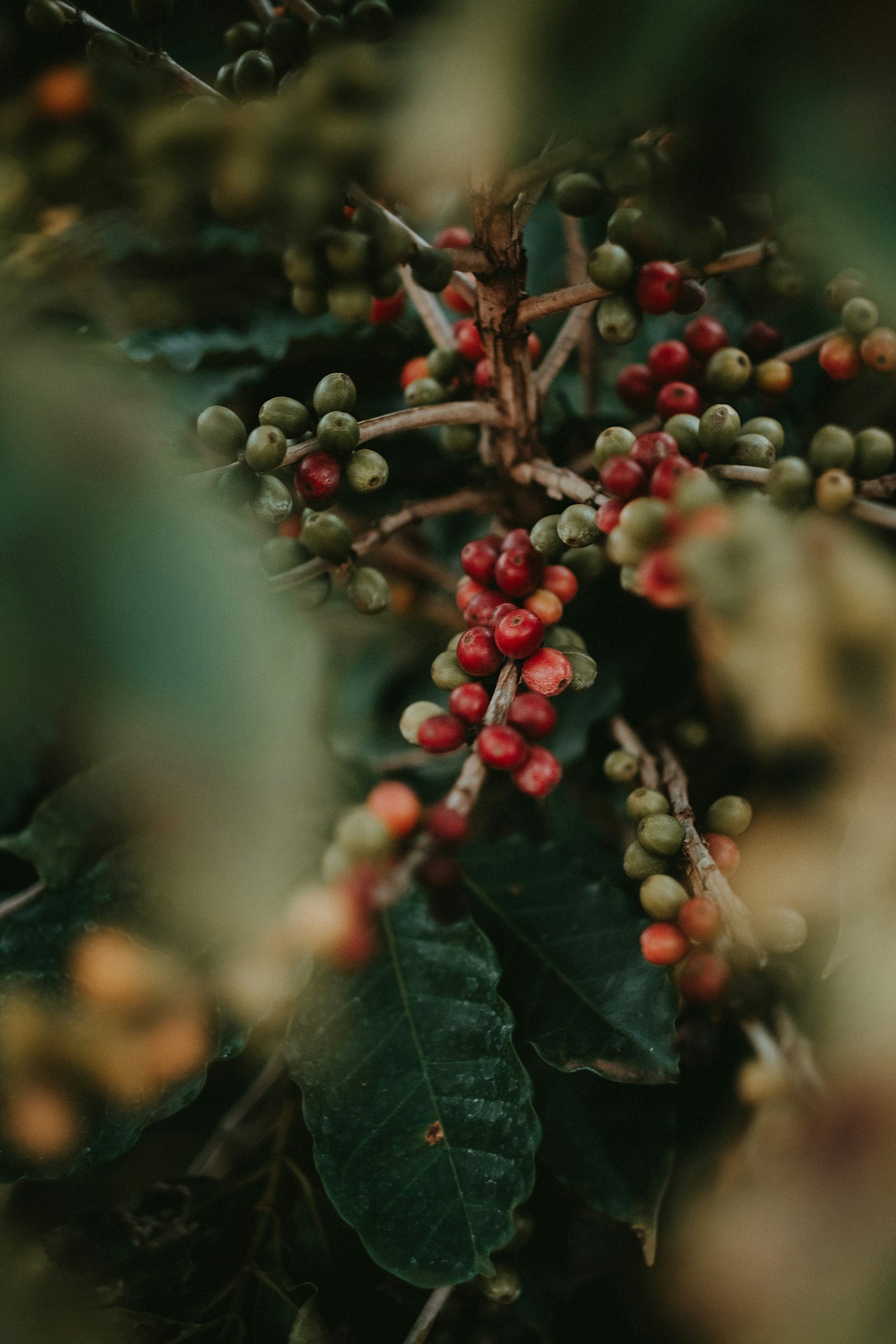 It starts with the cherry
Manila's specialty coffee scene quietly became one of the densest in Southeast Asia in the last five years. Most roasters here are small, most are independent, and most are doing more interesting work than their Instagram following suggests. This is a curator's starting point — the Manila roasters Cascara is drinking and the way to find a cup you'll actually like.
The map.
Metro Manila's specialty roasters cluster into four loose districts. Makati hosts the longest-running third-wave names — several of the country's earliest specialty roasters opened here in the 2010s and built the early customer base. BGC and the Bonifacio High Street corridor are where most of the newer cafes have opened, often in partnership with established roasters. Quezon City — especially around Maginhawa, Tomas Morato and Katipunan — is the roastery district, with several of the country's most active wholesale roasters operating warehouse-and-tasting-room setups. Mandaluyong, San Juan and Pasig fill in the rest with smaller, often single-cafe operations roasting in-house.
The cup-quality bar across these areas is high enough now that location is no longer a useful filter. What matters is matching roaster style to your palate.
How to navigate the menu
Pick by palate, not by neighborhood.
Cascara organizes every bean against the Process Spectrum — four corners that capture how a coffee tends to taste:
Bright, floral, tea-like.
Balanced, chocolatey, familiar.
Juicy, fruit-forward, sweet.
Funky, fermented, unconventional.
Once you know which corner your palate lives in, the Manila menu shrinks from “hundreds of beans, no idea” to a workable shortlist. The palate quiz takes less than a minute.
Where to start.
Manila roasters in the Cascara cellar with an active, well-developed lineup. Not ranked — a starting point.
Makati
Third-wave specialty roastery sourcing from Brazil, Colombia, Ethiopia and the Philippines, with cafes in Makati, Ortigas,…
Paranaque
Quezon City
Muntinlupa
Curve Coffee Collaborators is a Philippine specialty roaster focused on award-winning, traceable single-origin and microlot…
Makati
Makati cafe and roastery serving specialty single-origin coffee roasted in-house, with branches on Jimenez and San Isidro.
Makati
Makati specialty coffee roaster and equipment distributor (La Marzocco, Rocket), with branches across Metro Manila.
San Juan
San Juan-based specialty roaster focused on light-roast beans for retail and wholesale to quality-driven cafes.
Mandaluyong
Mandaluyong specialty coffee roaster supplying roasted beans, barista training and equipment, with a flagship inside Shangri-La…
Quezon City
Quezon City specialty roaster passionately roasting local and imported single-origin and blended beans since 2016, with fresh…
What to drink, depending on what you like.
If you like black tea, white wine, or stone fruit — start in the Clean corner. Look for washed Ethiopians and Kenyas on Manila menus. Most BGC and Makati roasters carry at least one rotating washed African.
If you like dark chocolate, red wine, or roasted nuts — start in Classic. Natural Brazils and washed Colombians are everywhere in Manila and tend to be the safest first cup at any roaster you don't know.
If you like tropical fruit, honey, or floral white wines — start in Fluid. Honey Costa Ricas and naturals from Yirgacheffe are the entry point; Manila's newer Quezon City roasters tend to lean here.
If you're bored by “regular” coffee and want something strange — Experimental. Co-fermented Colombias, anaerobic Rwandas, thermal-shock lots. A few Manila roasters specialize in this corner; ask for “experimentals” or “funky” on the bar.
Find your corner first.
Eleven questions, less than a minute. Your Cellar Identity is the shortcut to a Manila menu that suits your palate.
Start calibrating →For roasters
Roast specialty coffee in Manila? Get listed.
Cascara is community-curated. If you roast specialty coffee in Metro Manila and want your bean lineup in the cellar, get in touch. Listing is free. What you get is a proper public profile, member ratings, and discovery from people actively looking for the kind of coffee you're roasting.
gil@cascara.cafe →Common questions.
Where is the best specialty coffee in Manila?
There isn't a single answer. Metro Manila has dozens of specialty roasters across Makati, BGC, Quezon City, Mandaluyong, San Juan and Pasig — and 'best' depends entirely on what you actually like to drink. The Cascara directory lists every Manila roaster in the cellar, with member ratings on the beans they roast.
What's the best specialty coffee in BGC?
BGC has a concentrated specialty scene — most of the major Manila roasters either operate cafes there or have BGC retail partners. Cascara is also building a private cellar in BGC; until that opens, the directory is the most current map of who's roasting what in the area.
What's the best specialty coffee in Makati?
Makati has a long-running specialty community — some of the country's earliest third-wave roasters are based here. The Cascara directory filters by region; pick 'Makati' to see the active lineup.
How is Manila specialty coffee different from elsewhere in the Philippines?
Volume and import access. Most of the country's importers are Manila-based, so Manila roasters tend to have first pick on green coffee from origin. Local-origin Philippine coffee is more strongly represented in Baguio, Cebu and Davao roasteries closer to the farms.
Does Cascara rank Manila roasters?
No. The directory is curator-verified — every Manila roaster in the cellar gets a public profile with their full bean lineup, regardless of marketing budget. Members rate the individual beans; that's the only ranking signal that exists on Cascara.
Coffee across the Philippines.
Specialty coffee in Makati
Where Philippine third-wave started — Legazpi and Salcedo Villages, Poblacion, and the country's longest-running roasters. The Makati scene, organized by palate.
Specialty coffee in BGC
A curator's starting point into the Bonifacio Global City specialty corridor — High Street, Uptown, McKinley, Burgos. The roasters and cafes Cascara is drinking.
Specialty coffee in Baguio
The Cordillera coffee city — where you can drink a cup a short drive from where the beans are grown. The Baguio and Benguet roasters, organized by palate.
Specialty coffee in Cebu
The Visayas' fastest-growing third-wave scene — IT Park, Banilad, Mactan. The Cebu roasters Cascara is drinking, organized by palate, not hype.
Specialty coffee in Davao
A drinking city beside a growing one — Mount Apo Arabica and the Davao roasters. Mindanao's coffee heart, organized by palate.
Specialty coffee in Quezon City
Metro Manila's largest city has no single coffee district. Katipunan, Maginhawa, Tomas Morato and Cubao, plus the Quezon City roasters currently in the cellar.
Author · Gil Erez, Founder of Cascara · 3 May 2026