
Most visitors meet Sagada coffee in a cafe overlooking the rice terraces, ask what they're drinking, and get told “local.” The real answer is more interesting: old-tree typica arabica, grown in backyard plots at 1,500 meters, from lineage most origins abandoned half a century ago. Here's what makes it worth seeking out at sea level.
The place
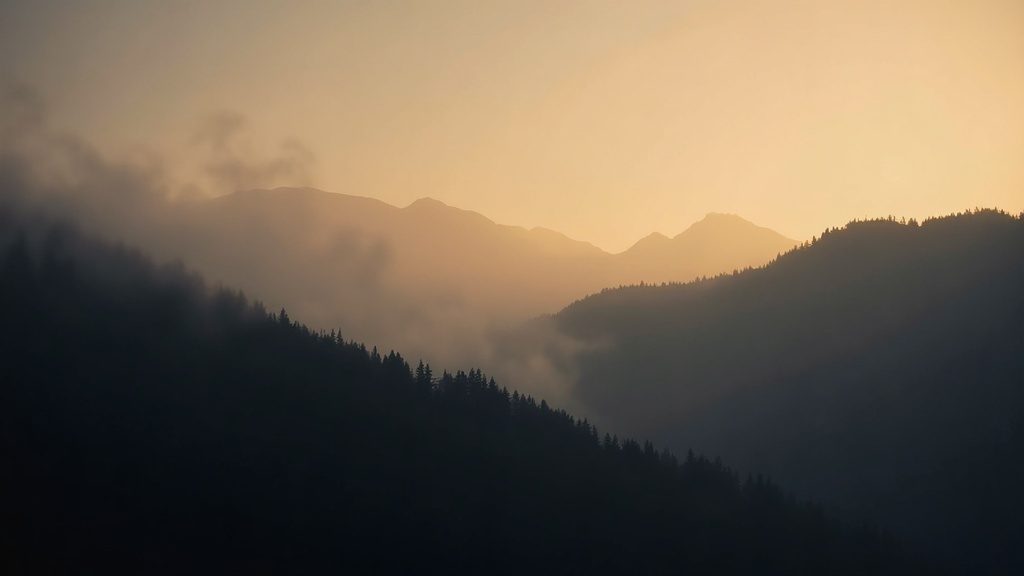
Sagada sits high in the Cordillera Central of northern Luzon, in Mountain Province — cool, misty, pine-forested terrain that looks nothing like the postcard Philippines. Coffee arrived generations ago and settled into the town's smallholdings: most farms are backyard-scale, a few hundred trees interplanted with vegetables, tended by families rather than estates.
That elevation matters. At roughly 1,500 meters, cherries ripen slowly through the cool season, building density and sweetness the way high-grown lots do everywhere. In a country where much of the coffee grows low and hot, Sagada is one of the places that can compete on altitude.
The old trees
Sagada's quiet advantage is genetic. Its plots still carry typica-lineage trees planted generations back — the old, low-yield variety that most producing countries ripped out in favor of modern high-yield stock. Typica gives less fruit per tree and more character per cup. Elsewhere, farmers replant it deliberately and call it heirloom. In Sagada it simply never left.
Elsewhere they replant old typica on purpose. In Sagada it never left.
What it tastes like
A composed, classic cup: medium body, brown sugar and cocoa sweetness, gentle acidity, dried-fruit depth in careful lots, and a clean finish. Traditional processing is washed or simple sun-dried natural, and quality varies with the care taken at that step — the gap between a great Sagada lot and a rough one is mostly drying, not growing. When a careful roaster gets a careful lot, it stands comfortably next to Central American coffees that crossed an ocean to get here.
Finding it
The closest roasters to the source are in Baguio, a few mountain hours south; several Manila roasters also buy Sagada lots in season. The harvest calendar says when fresh crop lands — roughly November through March on the trees, January through May in the roasteries. For the wider picture of what the Cordillera grows, Philippine coffee, explained covers the whole origin, and its sister region Benguet deserves its own read.
Philippine origins, matched to you
The cellar tracks Philippine-origin lots across the local roasting scene. Calibrate once and the catalog tells you which of them your palate will actually enjoy.
Start calibrating →Common questions
What is Sagada coffee?
Arabica grown around Sagada, a mountain town in Mountain Province in the Philippine Cordillera, at roughly 1,500 meters elevation. Much of it comes from old typica-lineage trees planted generations ago — heirloom stock by any origin's standard.
What does Sagada coffee taste like?
Classic mountain arabica: medium body, gentle bright acidity, and a sweetness that runs toward brown sugar, cocoa, and dried fruit. Well-processed lots show a clean, almost tea-like finish. It's a calmer cup than an Ethiopian — closer in spirit to a good Central American.
Why do people talk about Sagada's old trees?
Because most coffee origins replaced their old typica trees with higher-yield modern varieties decades ago. Sagada's smallholders largely didn't. Old typica yields less but is prized for cup quality — the same lineage behind many historically prized origin lots.
When is Sagada coffee harvested?
The Cordillera harvest runs roughly November through March, peaking in the cooler months. Fresh-crop Sagada lots usually reach roasters between January and May.
Where can I buy Sagada coffee?
Cordillera-focused roasters carry it in season — Baguio roasters are closest to the source, and several Manila roasters buy Sagada lots. The Cascara catalog tracks Philippine-origin beans across the local roasting scene, matched to your palate.